FROM THE FIELD
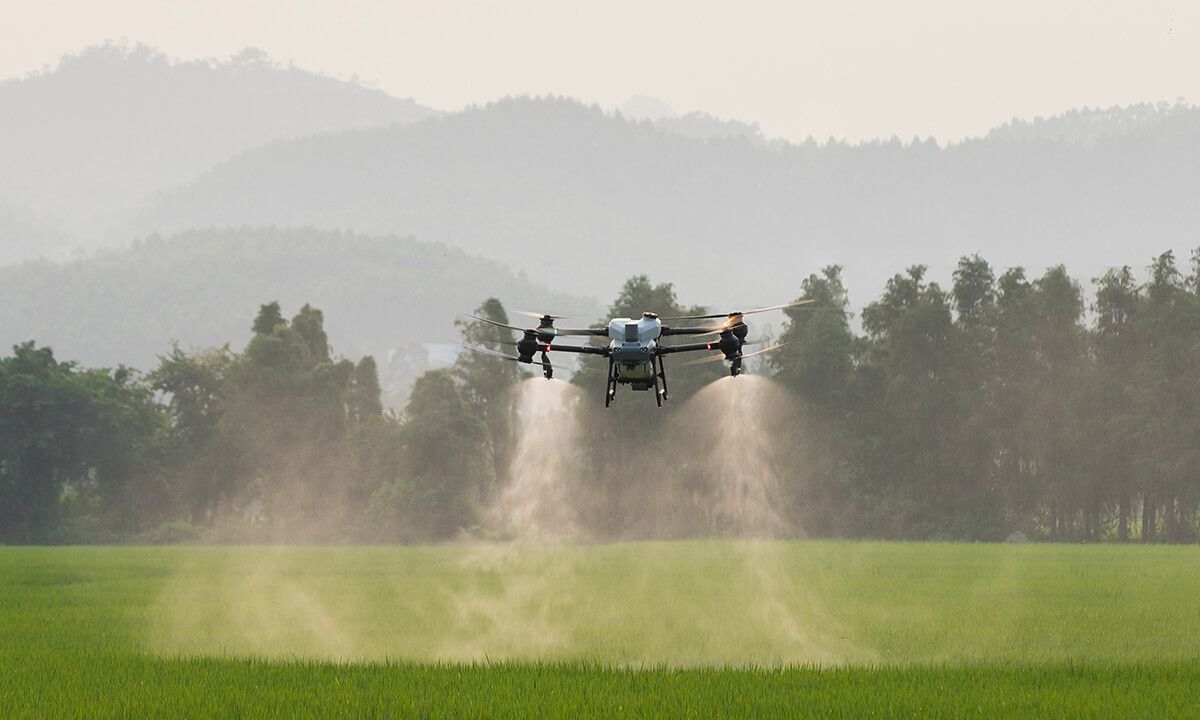
Starting an agricultural drone business in Texas takes more than buying a spray drone and finding a few acres to treat. You’re building an aviation operation, a pesticide application business, and a field service company at the same time.
That means the order matters. Before you spend heavily on equipment, understand the work you plan to perform, the rules that apply, and the systems you’ll need to operate safely and consistently.
The requirements below reflect FAA and Texas Department of Agriculture guidance available in August 2026. Regulations, fees, and agency procedures can change, so verify each requirement with the responsible agency before operating.
1. Define the business before buying equipment
Start with the service: not the drone.
Decide what kind of work you want to perform:
- Row-crop applications
- Pasture and rangeland work
- Spot treatment
- Fungicide, herbicide, or insecticide applications
- Fertilizer or plant-nutrition applications
- Orchard, vineyard, or specialty-crop work
- Scouting and mapping as a separate service
Your target customer will determine much of your equipment, licensing, pricing, and schedule. A row-crop operator in the Panhandle may have different needs from someone working pasture and rangeland in Central or East Texas.
You should also identify the area you can realistically serve. A drone operation may travel easily, but batteries, water, loading equipment, weather delays, and crew time all affect your costs. A service area that looks attractive on a map may not work once you include drive time and setup.
Before purchasing, build a basic financial model that includes:
- Aircraft and spare parts
- Batteries and charging equipment
- Transportation
- Water and loading equipment
- Personal protective equipment
- Insurance
- Licensing and testing
- Maintenance and cleaning
- Software and mapping tools
- Labor
- Travel time
- Downtime caused by weather
Avoid pricing strictly by the acre at first. Small jobs can take almost as much preparation as larger ones. A minimum service charge, mobilization fee, or combination of scouting and application services may make more sense than a simple per-acre rate.

2. Map the FAA requirements for your specific drone
Agricultural spraying is regulated differently from ordinary aerial photography or mapping.
The FAA states that Part 137 applies to aircraft, including drones, used to dispense or spray certain substances. This includes economic poisons and other substances intended for plant nourishment, soil treatment, plant propagation, or pest control. Not every substance falls under Part 137, so confirm how the material you intend to apply is classified.
The FAA’s Dispensing Chemicals and Agricultural Products with UAS page is the best place to begin.
For spraying operations, you generally need to address three parts of the federal process:
- Aircraft registration
- An FAA exemption
- An Agricultural Aircraft Operator Certificate, or AAOC, under Part 137
Drones below 55 pounds
The FAA measures the aircraft with the dispensed material included. A drone that weighs less than 55 pounds empty may cross the threshold once it is loaded.
A qualifying small UAS may operate under 14 CFR Part 107, but chemical-dispensing operations require an exemption from §107.36 and applicable Part 137 provisions.
You’ll also need the appropriate FAA registration through FAADroneZone, along with a current Remote Pilot Certificate for the pilot operating under Part 107.
Drones weighing 55 pounds or more
Drones at or above 55 pounds, including the material being dispensed, follow a different framework. The FAA describes these operations under Parts 91 and 137, with exemptions from applicable provisions of Parts 61, 91, and 137.
These aircraft may also involve additional aircraft approval requirements. Don’t assume that the process for a small UAS applies to a heavier spray drone.
The Part 137 application process
The FAA’s current UAS process requires you to complete the exemption process before applying for the AAOC. After receiving the exemption number, complete FAA Form 8710-3 and submit it, along with the exemption number, to [email protected].
The name on Form 8710-3 must match the name of the Part 137 exemption holder. That detail is easy to overlook and can delay the process.
The FAA also requires basic operational information, including your legal business name and address, chief supervisor, pilot information, aircraft make and model, registration number, and ownership information.
Give yourself more time than you think you’ll need. The FAA says a petition for exemption should be submitted at least 120 days before the exemption is needed.
3. Get the Texas pesticide credentials for commercial work
FAA approval does not authorize you to apply pesticides in Texas. The state requirements are separate.
The Texas Department of Agriculture is the state agency responsible for pesticide applicator licensing and regulation. If you apply regulated pesticides to someone else’s property for compensation, the commercial applicator pathway is generally the one that applies.
Start with TDA’s Agricultural Pesticide Program and confirm the current application, category, examination, and renewal requirements.
For agricultural aerial application, Texas uses Category 9 – Aerial Application. You’ll also need the use category that matches the work you intend to perform, such as field crops or pasture and rangeland. Category selection matters because your license needs to match the sites and commodities you’re treating.
The commercial applicator process may include:
- Applying through TDA using Form PA-401
- Passing the required general and category examinations
- Including Category 9 for aerial work
- Adding the appropriate agricultural use category
- Maintaining the license through renewal and continuing education
If you’re operating an application business, you may also need to complete TDA’s Pesticide Applicator Business Registration.
The PAB-300 instructions state that registered applicator businesses must provide financial responsibility documentation, including liability coverage of at least $100,000 for property damage and $100,000 for bodily injury per occurrence. Ask your insurance agent for coverage designed specifically for agricultural pesticide application and drone operations. Ordinary commercial drone insurance may not cover chemical application.

4. Build your operating system: not just your equipment list
The first professional impression customers receive is often your preparation.
Before taking a job, establish written procedures for:
- Customer intake and field boundaries
- Airspace review
- Field and obstacle surveys
- Weather evaluation
- Drone inspection
- Battery inspection and charging
- Loading and mixing
- Personal protective equipment
- Communication between pilot and ground crew
- Emergency procedures
- Spill response
- Cleaning and decontamination
- Maintenance
- Application records
- Customer reporting
Your procedures should reflect the aircraft’s flight manual, the FAA exemption, your Part 137 authorizations, the pesticide label, and Texas requirements. Don’t copy a generic checklist and assume it covers your operation.
Field surveying deserves special attention in Texas. Identify power lines, towers, trees, irrigation equipment, buildings, livestock, beehives, ponds, waterways, roads, homes, and other sensitive areas before launching. A field that looks open from the road may contain hazards that are difficult to see from the controller.
Your records should make it possible to reconstruct every job. At a minimum, keep the customer and field location, date, product, quantity, pilot, aircraft, weather conditions, and any unusual event or deviation. FAA Part 137 guidance specifically emphasizes commercial recordkeeping, and good records also help resolve customer questions later.
The FAA’s AC 137-1B includes useful information about certification, safety procedures, records, personnel responsibilities, and agricultural operating practices. It is guidance rather than a regulation, but it is a valuable reference while building your system.
5. Treat the first spray job like a qualification flight
Your first job should not be the time to discover that your loading process is slow, your batteries are insufficient, or a nearby set of power lines was missed.
Before the job:
- Confirm the customer’s field boundaries and application objective.
- Verify that the product is approved for the intended crop, site, and application method.
- Read and follow the current product label. The label is legally enforceable.
- Confirm that your license categories and FAA authorizations cover the work.
- Check airspace, weather, wind, temperature, and nearby sensitive areas.
- Complete a ground survey and mark hazards.
- Inspect the drone, batteries, controller, spray system, and emergency equipment.
- Brief every person involved in loading, spotting, communication, and cleanup.
Do not improvise application rates, droplet settings, buffer distances, or weather limits. Those decisions must come from the product label, applicable regulations, qualified agronomic guidance, and your approved operating procedures.
During the application, keep the operation controlled and predictable. Maintain the required visual contact and operating limits. Stop if conditions change, the aircraft behaves unexpectedly, communication is lost, people enter the area, or drift risk becomes unacceptable.
Afterward, clean the aircraft and application equipment according to the product label and your procedures. Secure batteries, chemicals, tools, and aircraft. Complete the job record while the details are still fresh, then send the customer a clear report showing what was treated and when.

The real goal is a repeatable business
Getting to your first legal spray job is only the beginning. A durable ag drone business is built on repeatable work, accurate records, careful field decisions, and trust with growers and agronomists.
Start with a narrow service area and a manageable equipment setup. Learn the application process thoroughly before expanding into additional crops, chemicals, aircraft, or counties. Keep your FAA and TDA information current, and check official agency resources whenever a requirement is unclear.
Most importantly, verify the current rules directly with the FAA and Texas Department of Agriculture before accepting work.
This article is for general educational purposes and is not legal or regulatory advice.
Advanced Drone Services and Outdoor Solutions
for Texas Agriculture and Land Management
Providing Sales, Service, and Startup Support
FAA Certified Pilots – DJI Certified Ag & Enterprise Dealers – Authorized Repair Technicians
- FAA Certified Pilots
- DJI Certified Ag & Enterprise Dealers
- Authorized Repair Technicians