

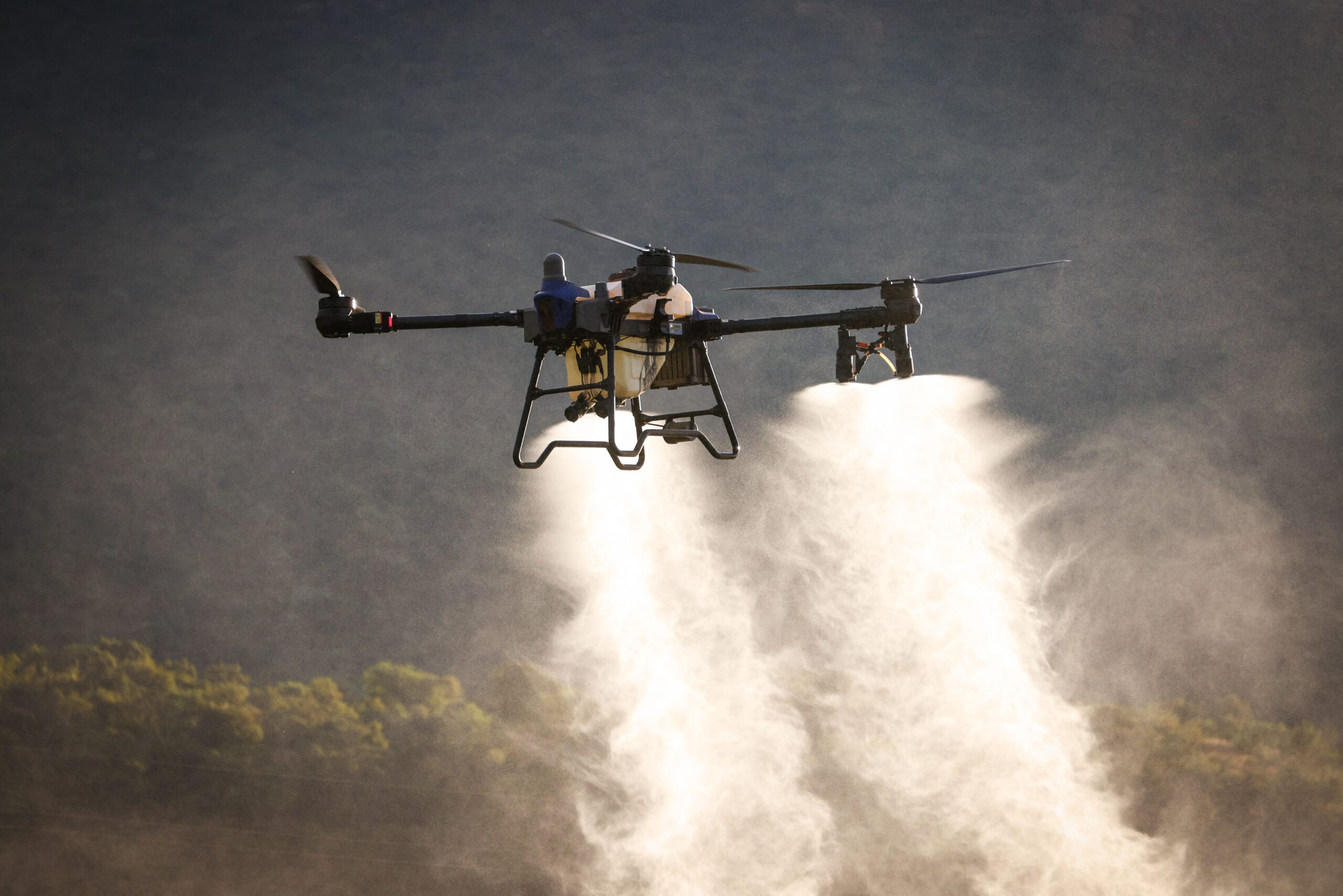
Agricultural drones can cover difficult ground, reduce compaction, and help Texas producers respond quickly when a field or pasture needs attention. But buying a spray drone and earning a Part 107 certificate is not the same as being ready to apply products commercially.
A drone spraying operation may involve federal aviation rules, FAA agricultural aircraft requirements, Texas pesticide licensing, product labels, airspace restrictions, insurance, and detailed records. Missing one part of that stack can create problems even when the flight itself looks safe.
This guide covers seven mistakes we see new operators make and the practical steps that can help prevent them. Rules and agency procedures can change, so verify your operation with the FAA and the Texas Department of Agriculture (TDA) before beginning work.
1. Assuming Part 107 is all you need
A Part 107 Remote Pilot Certificate is an important starting point for commercial drone work. It does not, by itself, authorize you to spray pesticides, herbicides, fertilizers, or other agricultural products from an aircraft.
The FAA states that 14 CFR Part 137 governs aircraft: including drones: used to dispense certain substances. This can include products used for plant nourishment, soil treatment, pest control, or other agricultural purposes.
For many commercial spray operations, the federal compliance stack includes:
- A Part 107 Remote Pilot Certificate, when applicable
- Proper FAA registration for the aircraft
- An FAA exemption or other authorization for the proposed operation
- An Agricultural Aircraft Operator Certificate (AAOC) under Part 137
- Compliance with the operating limitations in the exemption and certificate
How to fix it
Start by defining exactly what you plan to do. Mapping, photography, scouting, and spraying do not all carry the same requirements. If your drone will dispense a regulated agricultural product, review the FAA’s Dispensing Chemicals and Agricultural Products with UAS guidance before you purchase equipment or accept a job.
The FAA’s current process directs applicants to complete the exemption process first. After receiving an exemption number, the operator applies for the AAOC using FAA Form 8710-3 and submits it to the FAA’s UAS Part 137 certificate mailbox.
2. Ignoring the drone’s loaded weight
Many spray drones are close to: or exceed: the 55-pound threshold once batteries, liquid, and other payloads are included. The relevant question is not just how much the aircraft weighs when it is sitting empty in the shop.
The FAA’s guidance distinguishes between drones weighing less than 55 pounds, including the dispensed substance, and aircraft weighing 55 pounds or more. The approval path, registration method, and applicable operating rules can differ.
For a heavier aircraft, you may need an aircraft registration and N-number through the FAA’s Civil Aviation Registry Electronic Services, along with relief from additional regulations. A Section 44807 approval or exemption may also be part of the process, depending on the aircraft and operation.
How to fix it
Create a written weight sheet for every aircraft you intend to operate. Include:
- Aircraft
- Batteries
- Tank or hopper contents
- Required attachments
- Any other equipment carried during flight
Use the maximum planned takeoff weight: not the empty weight: to determine which rules apply. Keep the aircraft’s records, registration information, exemption documents, and operating limitations together so the pilot can access them in the field.
3. Treating an FAA exemption as the finish line
An exemption is not a blanket permission slip for every kind of agricultural drone work. It applies to the operator, aircraft, operation, and conditions described in the approval.
The FAA has specifically warned exemption holders about operating outside the conditions and limitations of their exemption. Those conditions may address aircraft identification, visual line of sight, altitude, airspeed, operating area, pilot qualifications, reporting, and other safety requirements.
An exemption also does not replace aircraft registration, pilot qualifications, Part 137 certification, or state pesticide licensing.
How to fix it
Read the entire exemption, not just the first page or a summary from a manufacturer or online forum. Make a simple operating-limits checklist for each aircraft and pilot.
Before accepting a job, confirm:
- The aircraft is listed or otherwise covered.
- The pilot meets the qualification requirements.
- The planned location and airspace are allowed.
- The operation stays within altitude, speed, and visual-line-of-sight limits.
- The required certificate and records are available.
- Any reporting requirements are understood.
The FAA currently says exemption petitions should generally be submitted at least 120 days before the exemption is needed: or before an existing exemption expires when requesting an extension. Do not wait until the busy season is already underway.
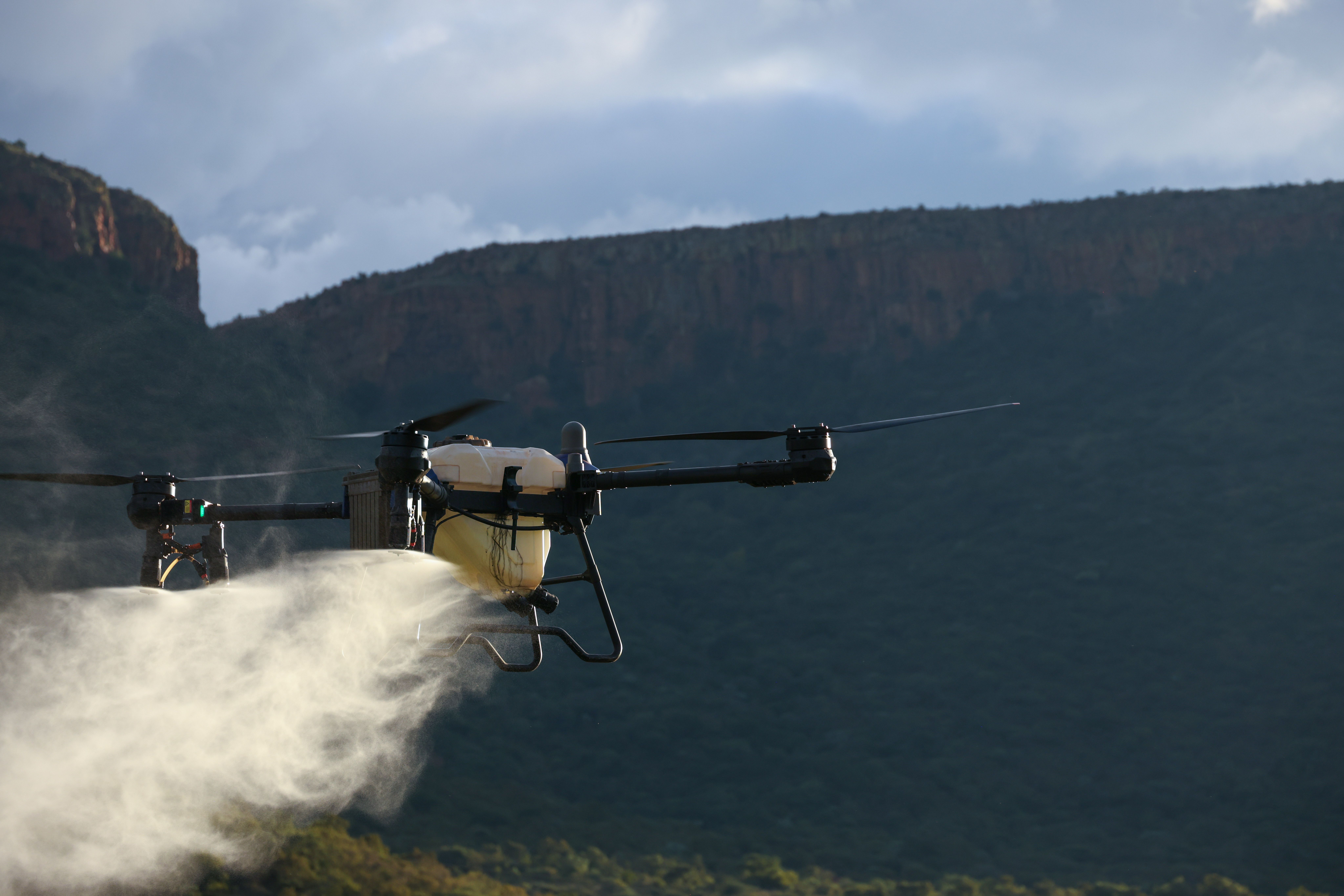
4. Getting the Texas pesticide license or category wrong
Federal approval does not replace Texas pesticide licensing.
If you apply pesticides for hire in Texas, you generally need a TDA Commercial Pesticide Applicator License. Operators applying only to their own agricultural commodities may follow the private applicator path, but the requirements are different.
For commercial aerial application, Texas guidance identifies Category 9: Aerial Application as a required category. You also need the appropriate use category for the sites or crops you treat, such as field crops or pasture and rangeland. Category 9 should not be treated as a substitute for learning the product and site-specific requirements that apply to the work.
How to fix it
Before scheduling exams, identify the work you expect to perform:
- Cropland
- Pasture and rangeland
- Timber or forestry
- Aquatic areas
- Other agricultural sites
Then confirm the correct license type and categories directly with the TDA pesticide program. Texas A&M AgriLife Extension also provides a useful drone licensing information guide, but use TDA as the final authority for current licensing, fees, exams, and continuing education.
Remember that aerial applicators have continuing education obligations. TDA guidance has included aerial-specific education in areas such as laws and regulations, drift minimization, and human safety factors.
5. Failing to check the pesticide label
A product being legal for agricultural use does not automatically mean it can be applied by drone. The product label is the legal instruction for how that pesticide may be used.
Labels can control application method, crop or site, rate, dilution, droplet size, wind conditions, buffers, sensitive areas, and other restrictions. Some products may prohibit aerial application or contain specific requirements for unmanned aircraft.
This is where an equipment specification can mislead a new operator. A tank size, nozzle setting, or software recommendation does not override the label.
How to fix it
For every job, review the current product label before mixing or loading. Confirm:
- The product is approved for the crop or site.
- Aerial or drone application is allowed.
- The planned rate and carrier volume are permitted.
- Wind, temperature, humidity, and buffer requirements can be met.
- The planned droplet size and swath are appropriate.
- Tank-mix partners are compatible and permitted.
If the label is unclear, pause the job and contact the manufacturer, a qualified agronomist, or the appropriate regulatory agency. Never rely only on a social media post, a dealer’s verbal recommendation, or what worked on a different crop.
6. Treating airspace and drift planning as an afterthought
A spray drone works close to the ground, but it is still operating in the national airspace system. Texas farms and ranches may also be near airports, helicopter routes, power infrastructure, highways, homes, livestock, schools, or other sensitive areas.
A large property does not automatically make every flight legal. Part 107 operating rules and the conditions of your FAA authorization still apply. Visual line of sight, controlled airspace authorization, operations near people, and coordination with manned aircraft all need to be addressed.
Drift is another operational and regulatory concern. Wind can shift during a job, and terrain, nearby crops, temperature inversions, and rotor wash can affect where the product travels.
How to fix it
Build a pre-application site assessment into your normal workflow. Check:
- Airspace and nearby airports
- Nearby homes, roads, workers, livestock, and sensitive crops
- Power lines, trees, towers, and other obstacles
- Wind direction, speed, and changes during the job
- Product-specific buffer and weather requirements
- A safe emergency landing area
- Communication procedures with the property owner and nearby aircraft
If manned agricultural aircraft are working in the area, establish a communication plan before launching. A short phone call can prevent a dangerous conflict.
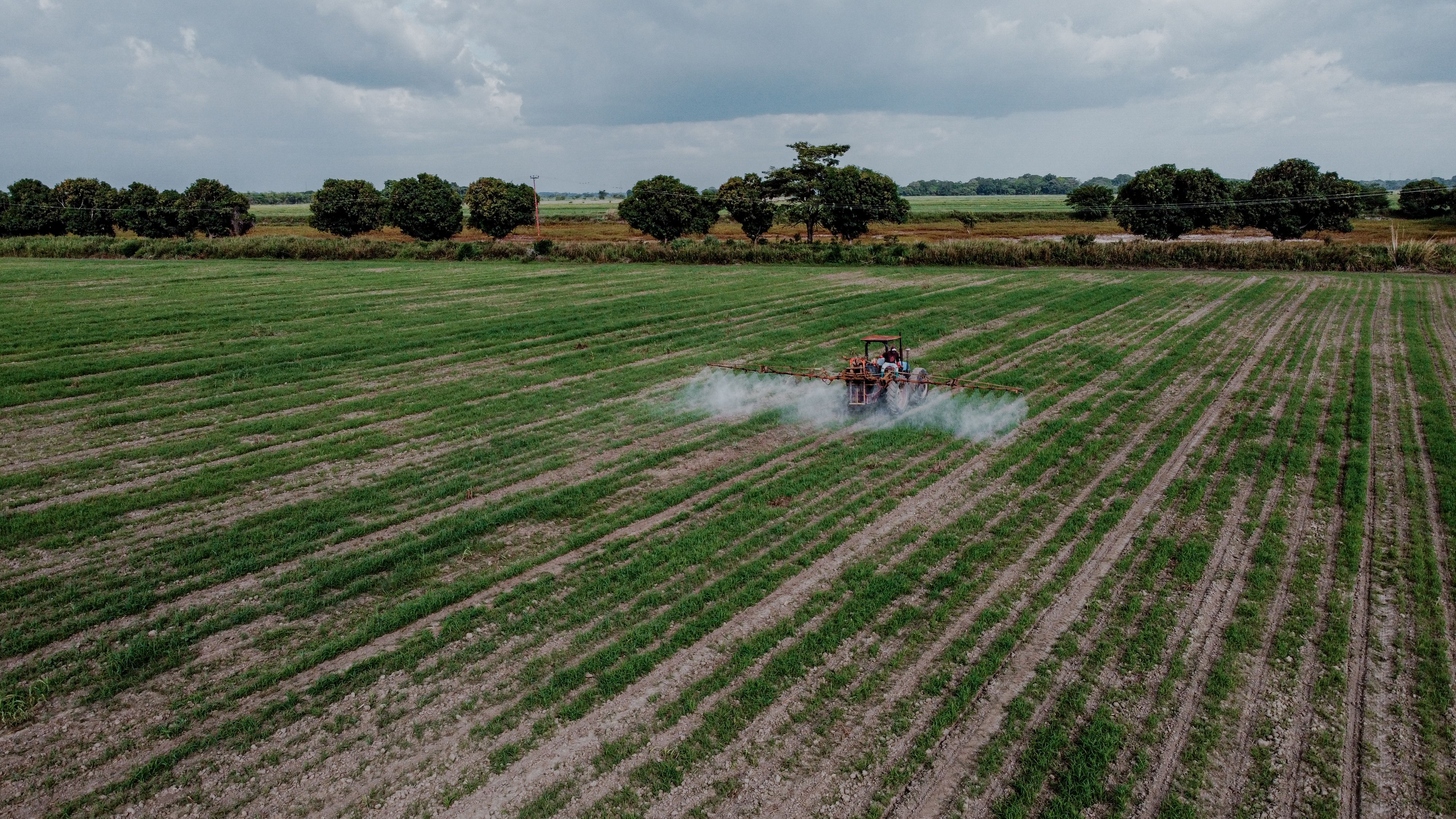
7. Letting records and maintenance slide
Paperwork is not separate from safe operations. It is how you show what happened, what product was used, who applied it, which aircraft was involved, and whether the conditions met the requirements.
New operators often keep detailed notes for the first few jobs, then allow records to become informal as the season gets busy. That is risky. Missing application records, maintenance documentation, registration details, or pilot information can make it difficult to answer a customer’s question or respond to an agency inquiry.
How to fix it
Use a repeatable job packet or digital form. At a minimum, track the information required by the applicable FAA, TDA, product-label, and customer requirements. Your records may include:
- Customer and location
- Date and time of application
- Crop, pasture, or site treated
- Product and EPA registration information
- Rate, volume, and total acres
- Weather conditions
- Aircraft and FAA registration information
- Pilot and applicator information
- Preflight and postflight inspections
- Battery and maintenance notes
- Drift, interruption, or incident reports
Keep your approvals and licenses on a renewal calendar. Part 107 pilots must complete the FAA’s required recurrent training on the applicable schedule, while exemptions, aircraft registrations, Part 137 documents, and TDA licenses may have separate deadlines.
A practical way to get started
The safest way to build a Texas agricultural drone operation is to work backward from the service you intend to provide. Define the crop or property, product, aircraft, payload, pilot, and customer arrangement first. Then identify the federal and state requirements that apply to that exact operation.
For new operators, the process can feel like a lot of paperwork before the first flight. That preparation is part of the business. It protects your customers, your aircraft, nearby people and property, and the long-term reputation of agricultural drone work.
Premier Outdoor Services works with Texas producers and landowners through agricultural drone services, drone sales and equipment, and other outdoor services. Whether you are evaluating a drone for your own operation or building a commercial service, verify the current requirements before you spray.
This article is for general educational purposes and is not legal or regulatory advice. FAA and Texas requirements can depend on the aircraft, product, location, license type, and operation. Confirm current requirements with the FAA, TDA, and the product registrant before beginning work.